

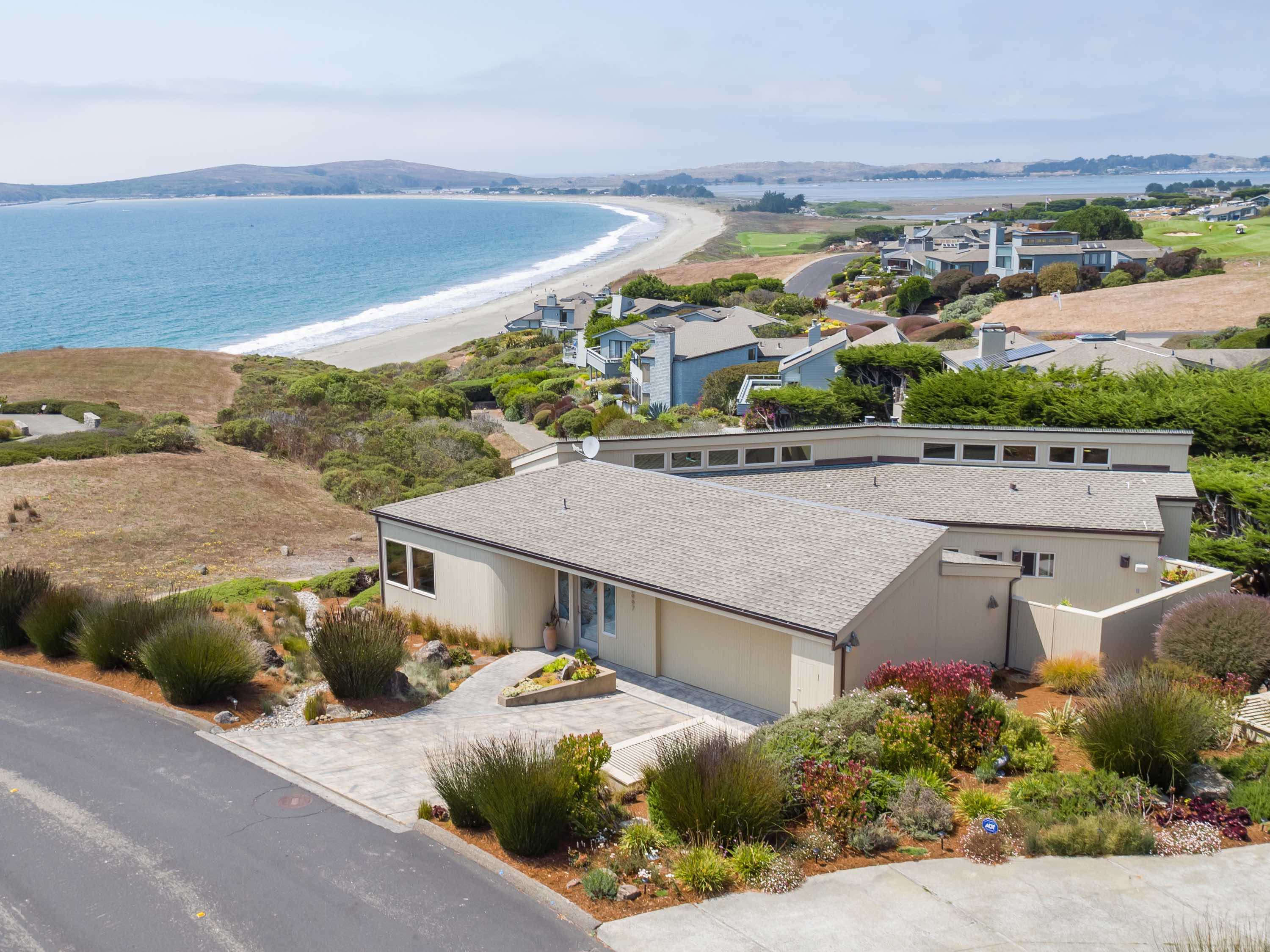
Who doesn’t love the idea of collecting rent on a home in a beautiful vacation-friendly location, and visiting when there aren’t any guests? It’s a lovely concept, but there are several “hidden” costs to owning a vacation home that your daydreams don’t encompass.
If you’re about to make the goal of owning your own vacation home a reality, you’ll need to brush up on how much it’s going to cost you and budget accordingly. Don’t buy a vacation home without considering …
Down payments and mortgage loans
The credit requirements for buying your primary residence to are looser than those for a mortgage on a vacation home. There are low-down-payment and even some no-down-payment programs for people who want to buy a primary residence, and lenders tend to give more flexibility in terms of credit score.
That changes when you’ve already got one home and want to buy a second. You won’t get away with putting less than 10 percent down and because you’ve already got one big loan that you’re paying off, your debt-to-income ratio is probably going to be significantly higher than when you were applying for your first mortgage. You may need a higher credit score or a bigger-than-average down payment to qualify for a mortgage on a second home.
Insurance
To secure a mortgage for your new vacation home, you’ll need to get it insured. Depending on where you live and where the second home is, there might be additional insurance policies that you’ll want or need to buy, such as flood or earthquake insurance.
Presumably nobody is going to be living in the vacation home full-time, and that makes it a riskier property from the insurance company’s point of view. If a leak springs somewhere, or a rodent burrows into the walls, it could be days, weeks, or potentially months before anybody notices. So your homeowner’s insurance rate could be higher on your second home than on your primary residence, and if you’re planning to rent it out for use other than you and your family, you could pay a rental insurance surcharge, too.
A ‘keeper’
Call him a property manager or a maintenance person, but you’ll probably need someone on the ground who can help you out in a pinch, especially if you live more than an hour away from the second home. You’ll need someone to help locked-out renters find their way in, deal with emergencies, mow the lawn, rake the leaves, and just generally keep an eye on the place.
Don’t balk at this expense. Vacant homes are appealing targets for break-ins. In the case of any emergency you’ll definitely want it dealt with as soon as possible. Having boots on the ground that can maintain and manage your second home while you’re away will give you peace of mind that’s well worth the fees charged.
If you’re really lucky, you might have a friend — or even just a friendly neighbor — who’s willing to help you out. Make sure you buy that person a lovely gift once a year as a thank-you and otherwise regularly vocalize your appreciation!
Furnishings
You’ll need to furnish you home. In addition to furniture, you’ll need pillows and bedding, towels, dishes, cookware, flatware, a broom and vacuum cleaner, kitchen appliances, possibly a washer and dryer. You may also want outdoor tools like a rake and shovel, or patio furniture, and you’ll probably want to hang some pictures or artworks on the walls.
If you’re renting the home, then the chance of any of your belongings becoming damaged or broken is enhanced. This is another reason why it can be nice to employ a property manager who can deal with any problematic short-term renters and get the damage repaired for you.
Utilities and fees
You’ll need to pay for services/utilities like sewer, water, gas, and electric, and you might also want to think about getting an internet connection (depending on how disconnected you want your vacation home to be).
If you’re renting your home, then it’s usually smart to talk to other short-term rental owners in the area who can tell you what the utilities expenditures are usually like. Vacation renters who won’t see utility bills are probably not concerned about conservation. Try to anticipate renter excesses in your budget so you won’t be unpleasantly surprised by the amount of utility bills.
And if the home is in an area with a homeowners’ association, you may be required to pay HOA dues in addition.
Maintenance
Of course you’ll want to repair anything that breaks in your second home, but if you’re renting it out you might also need to hire a cleaner to come in and spruce the place up in between renters. There’s also lawn and garden care to consider.
Many areas where people like to buy vacation homes have weather conditions that can be hard on the property’s exterior, too. A beach house exposed to the ocean salt and spray is going to need to be painted more regularly, and if you’re eyeing a ski chalet you’ll need to account for snow removal so your rental guests can get in and out without starting an avalanche.
The tax man
Depending on whether you are renting out your home at all and how many days a year you do it, the tax implications are going to change. You don’t want to learn in April that you should have been collecting and paying lodging or innkeeper taxes on the income you’ve earned from your vacation renters.
Talk to a tax advisor before you buy and decide exactly how you’re going to use the home. This way, there won’t be any nasty surprises when you file your taxes, and you’ll have the peace of mind of knowing that it’s all buttoned up come tax season.
Gearing up and shutting down
Most vacation areas have distinct “on” and “off” seasons, and if you’re not hiring a property manager, then someone else is going to have to get the property ready for renting and close everything down when things slow again.
You might decide it’s a money-saver to do this yourself instead of hiring help, but you’ll have to either sacrifice a weekend or take time off from work. So, keep your own time and energy in mind before you decide to cut that corner!